I was recently reading that my home state of Idaho has one of the highest number of skin cancer cases in the nation, our neighboring states of Washington and Oregon are right up there too. Could any of this possibly have something to do with poor nutrition and not getting enough sun?
"Not enough" sun?
Doesn't the sun cause skin cancer and what does diet have to do with it? Check out this video for an interesting perspective on this issue.
Pretty convincing wasn't he, now I know that the nutrient dense blue green algae mentioned in the video sounds absolutely delicious, and the powdered supplements...mmm, yummy. But before you run out and purchase those interesting products might I suggest an alternative? All of the wonderful cancer preventing nutrients he talked about readily appear in common garden plants like purslane, kale, chicory, parsley, and many other vegetables, herbs, and weeds that can easily be grown in an ordinary garden. Take a look -
Purslane is said to contain the highest levels of omega 3 of any vegetables (kale has some too) and is an incredibly great source of calcium, magnesium, potassium, phenylalanine, and tryptophan...all of which go hand in hand with a little vitamin D from the sun to help a person feel great. Don't like the taste of purslane, try feeding it to your chickens and eating the eggs instead. I have read that chickens fed on purslane can lay eggs that have up to twenty times more omega-3 than your average egg. A cup of this plant contains all of the vitamin E, calcium, magnesium (one of the best sources), and potassium you need in a day and it also contains good amounts of vitamin C and A.
I have not planted purslane in the garden for years and years, it comes up on it's own and we consider it taboo to weed out this incredible plant even if it does appear in less than desirable places...we work around it. I never did have much luck starting it from seed so I let it do its own thing...and it seems to know what it's doing.:)
We first introduced this Golden Purslane to our garden many years ago and are also blessed to have a dark green variety that grows wild around here.

Chicory and kale are also supposed to be excellent sources of vitamins A, B complex, K, E, C, and both contain significant amounts of potassium, calcium, phosphorus, copper, zinc, and magnesium....iron too. Kale is pack full of certain cartanoids - pigments plants evolved to help protect their tissues against the harmful effects of solar radiation. It is one of the highest sources of the cartnoids lutein and zeaxanthin both of which are believed to help protect us from skin cancer. Chicory with its deep delving roots contains even more minerals, like calcium, than kale does.
This, new to our garden, Red Bore Kale is not only attractive to look at but has surprised us with it's nice flavor.

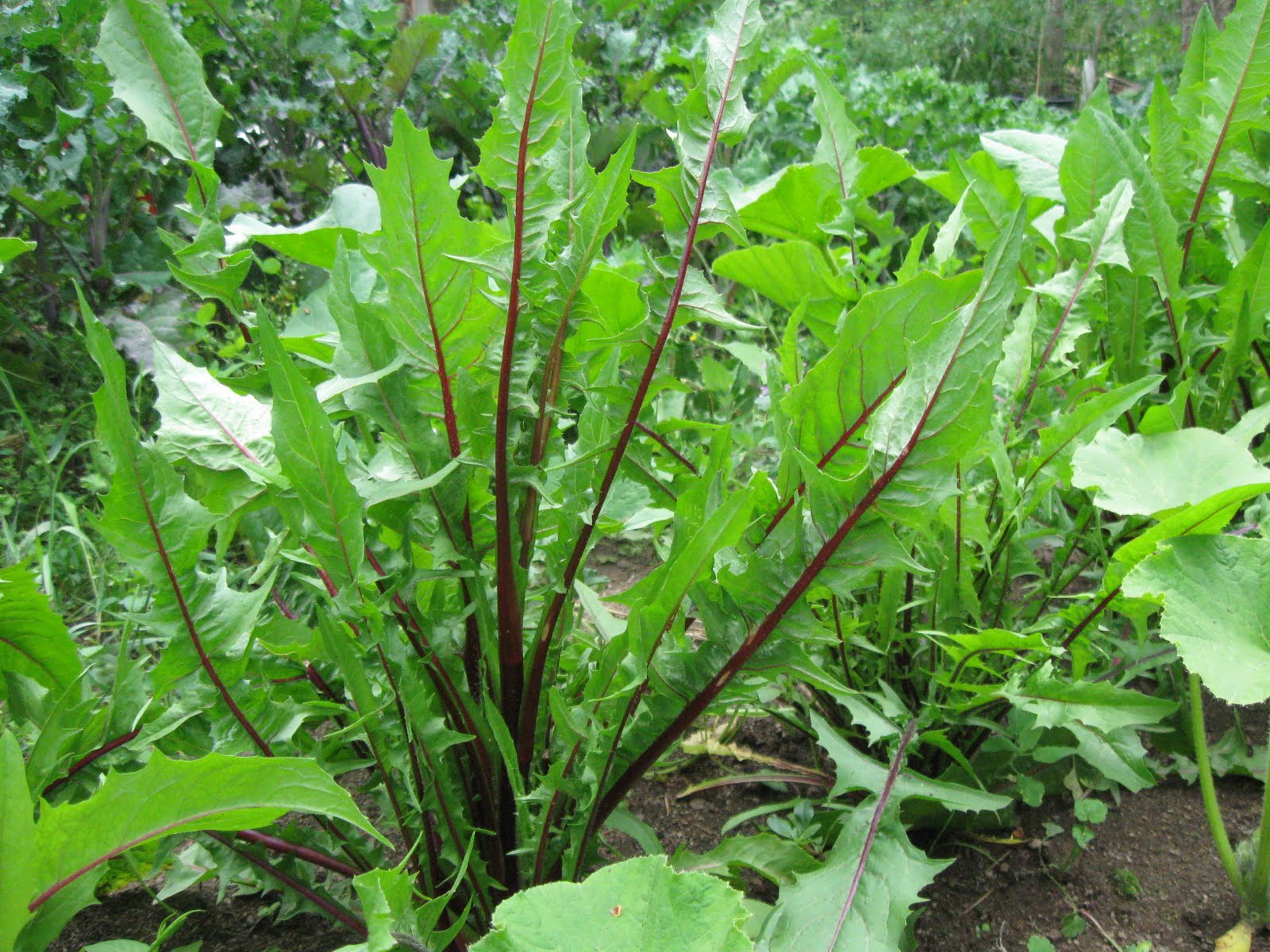
Mineral rich Italian Chicory is one of our favorite salad ingredients.
Parsley is so amazing I wouldn't even know where to start, let's just say that it contains everything listed above and is one of the very best plant sources of vitamin K and various antioxidants.
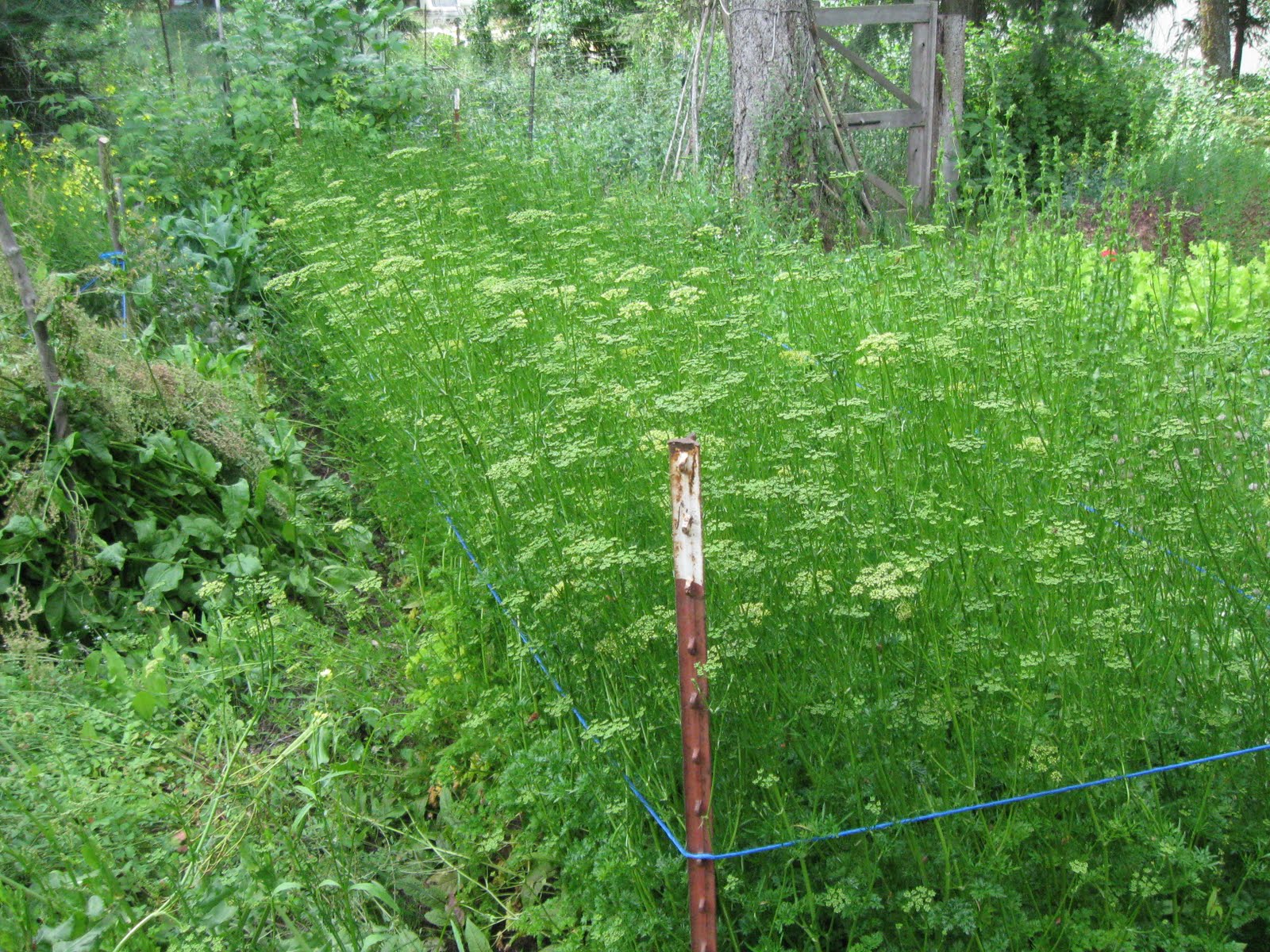
The new parsley is coming along nicely while a couple rows down...
 the old parsley is flowering and preparing to set seed.
And the herbs and weeds - take that obnoxious little chickweed that loves to take over in a healthy garden bed...it is crying out to be consumed, practically begging for attention, yet most discard it with a curse. Chickweed is long known for its healing properties and more nutritious than many of the vegetables that it shares space with.
What a weed, tastes like corn silk and makes a nice addition to our salads....the chickens like it too.

Hardy herbs like, oregano, sage, thyme and so on all fit nicely into this category being jam packed full of antioxidants. Mr. Shiow Y. Wang says - "Oregano has 42 times more antioxidant activity than apples, 30 times more than potatoes, 12 times more than oranges and four times more than blueberries." and he should know, being a USDA biochemist and all....right?
So if you live in Idaho, or anywhere else for that matter, and believe any of the above information to be true, don't be afraid to get a little sunshine and please consider growing a garden full of these amazing plants...I know we are and will continue to do so. In our colder climate all of the above listed plants with the exception of purslane can be grown 365 days a year or close to it, provided you supply them with a little protection from the elements during the cold months...you know, the cold months pretty much being September through July around these parts.:)
While these thoughts make sense to us given our chosen lifestyle I do realize this may or may not be relevant to others depending upon their particular situation and/or beliefs about nutrition and it's effect on one's health. My intention in writing this post is not to argue the pros and cons of the pharmaceutical industry and the need for the products they sell, such as sunscreen, but instead to simply provide some insight for those like minded people who do wish to take a more holistic approach to these issues. Rather than searching far and wide for nutritional super foods it should be realized that these amazing supplements need not be any farther away than one's own backyard garden, herb bed, and the forests that surround us.